THE MAN WHO SHOT JAN MARSALEK.
AN INTERVIEW WITH LEOPOLD FIALA.
Interview: 2030 / Paul Wagner
Fotos: Leopold Fiala

Paul Wagner interviews photographer Leopold Fiala – and asks him question after question.
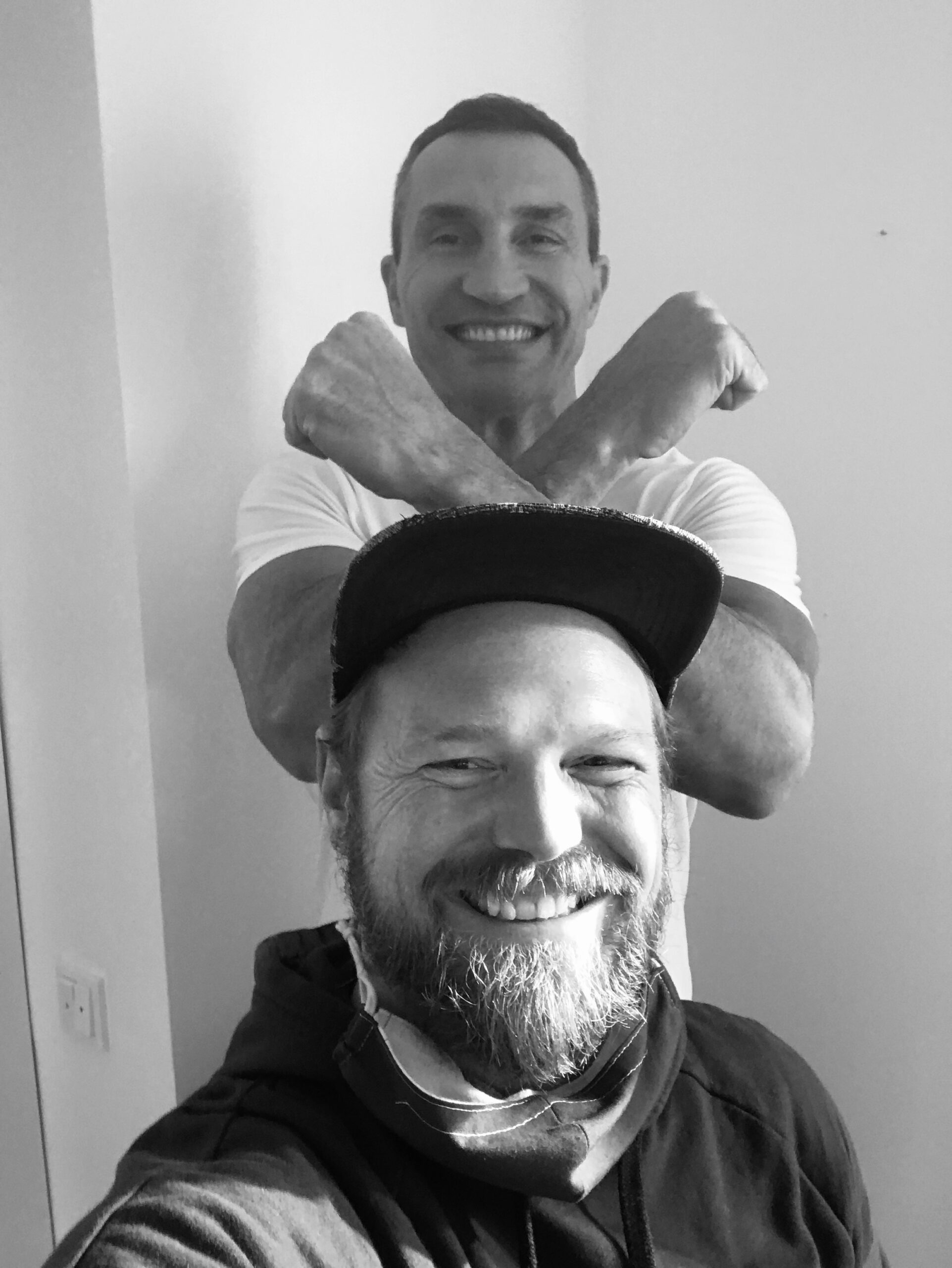
Leopold Fiala / Foto: Leopold Fiala
Hey Leo, the German Federal Criminal Police Office (BKA) is using a photograph you took to hunt one of the most wanted men on the planet: Jan Marsalek, former Wirecard executive and now an alleged agent of the Russian intelligence service FSB. How did that even happen?
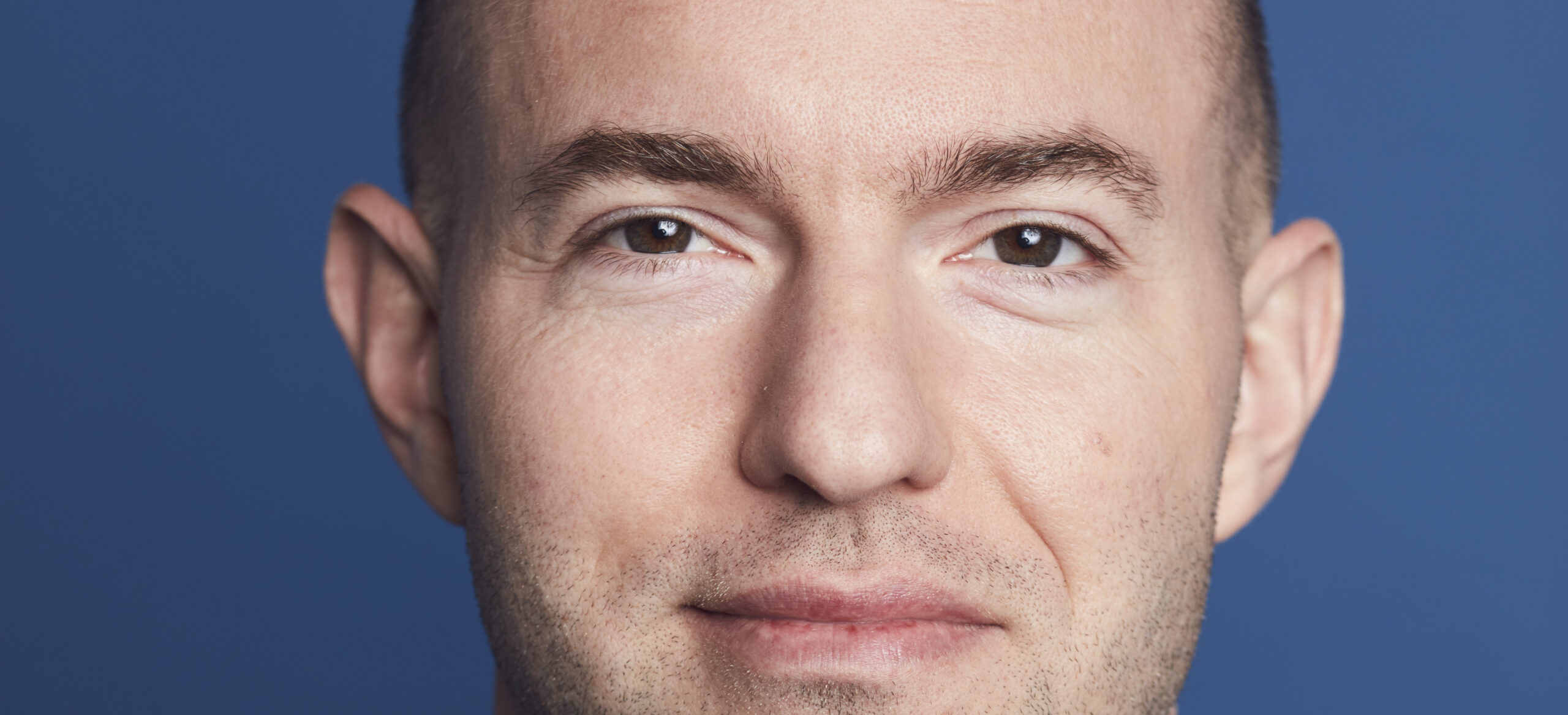
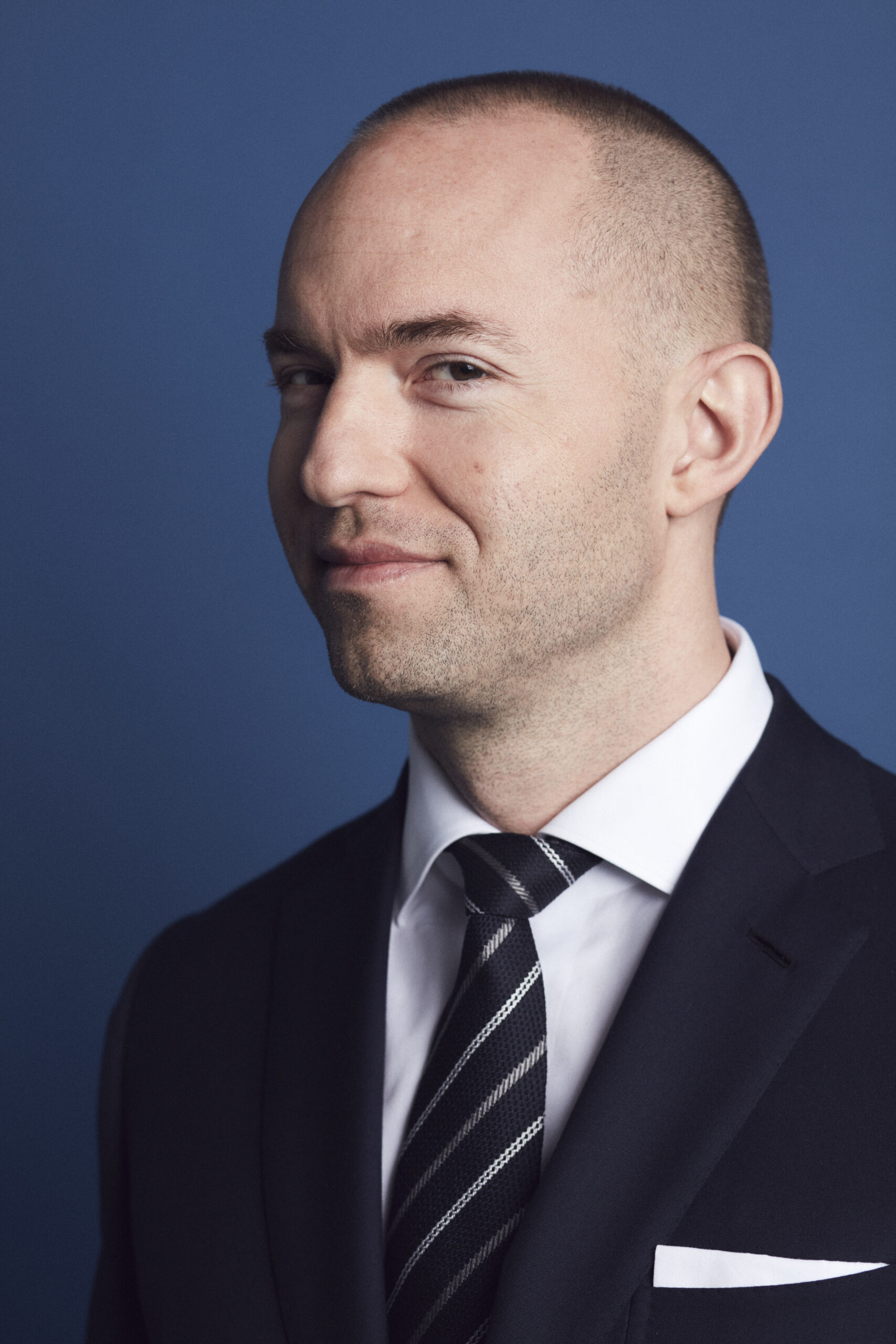
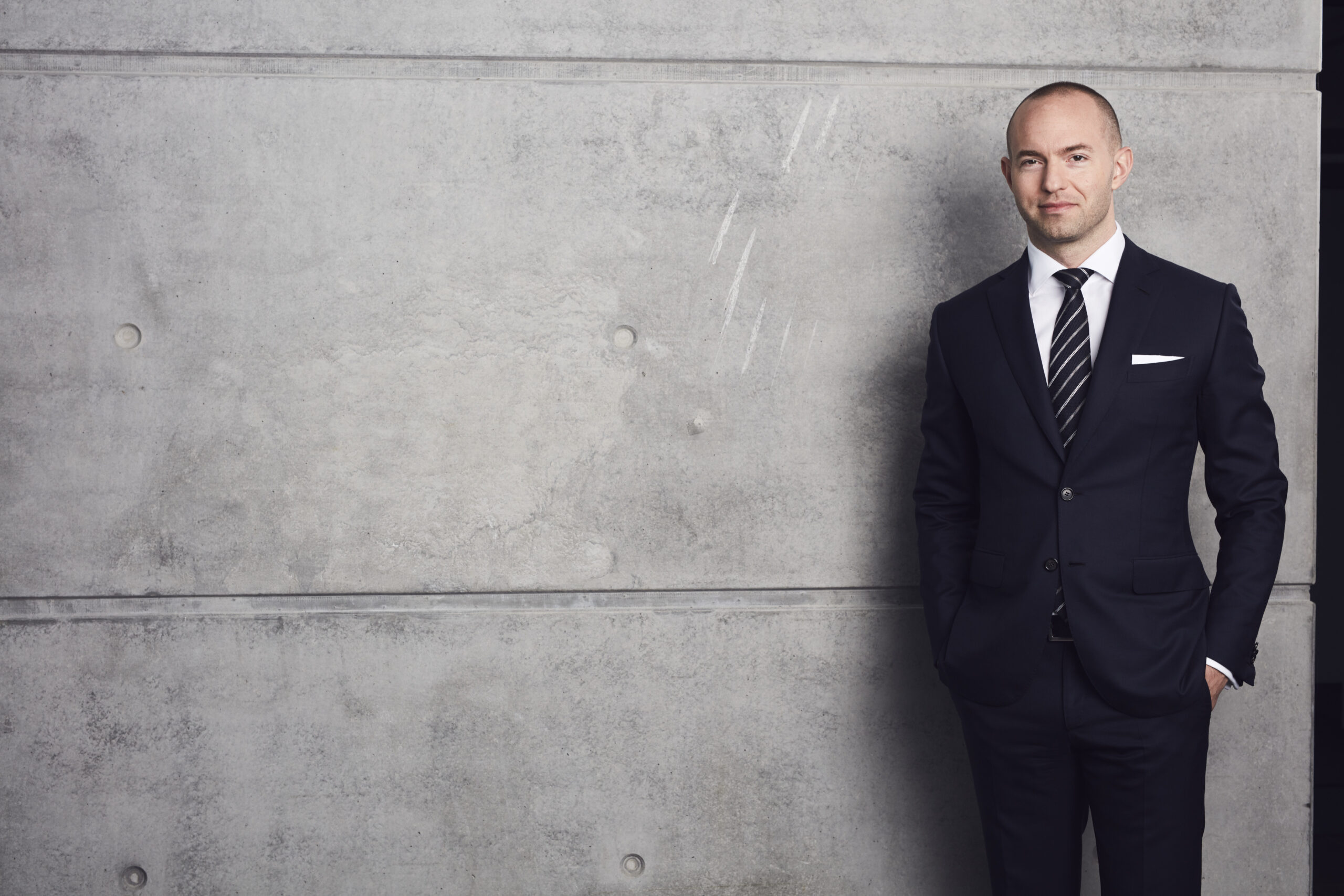
Quite simply: because there were no other photographs of him. Wirecard commissioned me in January 2020 to do a management shoot, and of course Jan Marsalek was part of it. He only stood out to me because he was the only one whose suit actually fitted properly. That immediately told me he cared a lot about his appearance. But I also noticed very quickly that he really didn’t like being photographed. He was generally very camera-shy. For a period of eight to ten years, I was the only person who took official photographs of him.
So how did your photo end up in the media?
That needs a bit of context. What really made me nervous after the shoot wasn’t Marsalek himself, but the fact that Wirecard never paid the invoice. Today we know that, even back then, the company was already heading straight for insolvency. So: no money, but I had already delivered the images. Wirecard had been a long-standing client of mine, after all. That meant they had the pictures, but not the rights – those were still with me.
At some point, I received a call from the Munich criminal police. They wanted the photographs I had taken of Jan Marsalek, because they didn’t have any others. Naturally, I cooperated. There’s a clause in copyright law that allows photographs to be used for search and investigation purposes without transferring usage rights. I let them choose one image, on the condition that it wouldn’t be passed on to the press. That turned out to be too complicated for them.
In the end, they obtained the image files from Wirecard’s insolvency administrator and published what has since become the now-iconic Marsalek photograph on the BKA website – without credit, and even made it available for download. From there it made its way to the German Press Agency (dpa), and from there into virtually every media outlet imaginable. Within a very short time, the image was everywhere in the world. No credit. No payment.
How do you even deal with that? Did you unleash an army of lawyers?
No. I contacted the major media outlets directly and explained the situation. Most of them were willing to negotiate, accepted my position and paid a fee. A small number had to be taken to court.
In hindsight, it was worth it – but it cost me a lot of nerves and kept me busy for four years.
When you see the photo everywhere now, are you still happy with it from a photographic point of view?
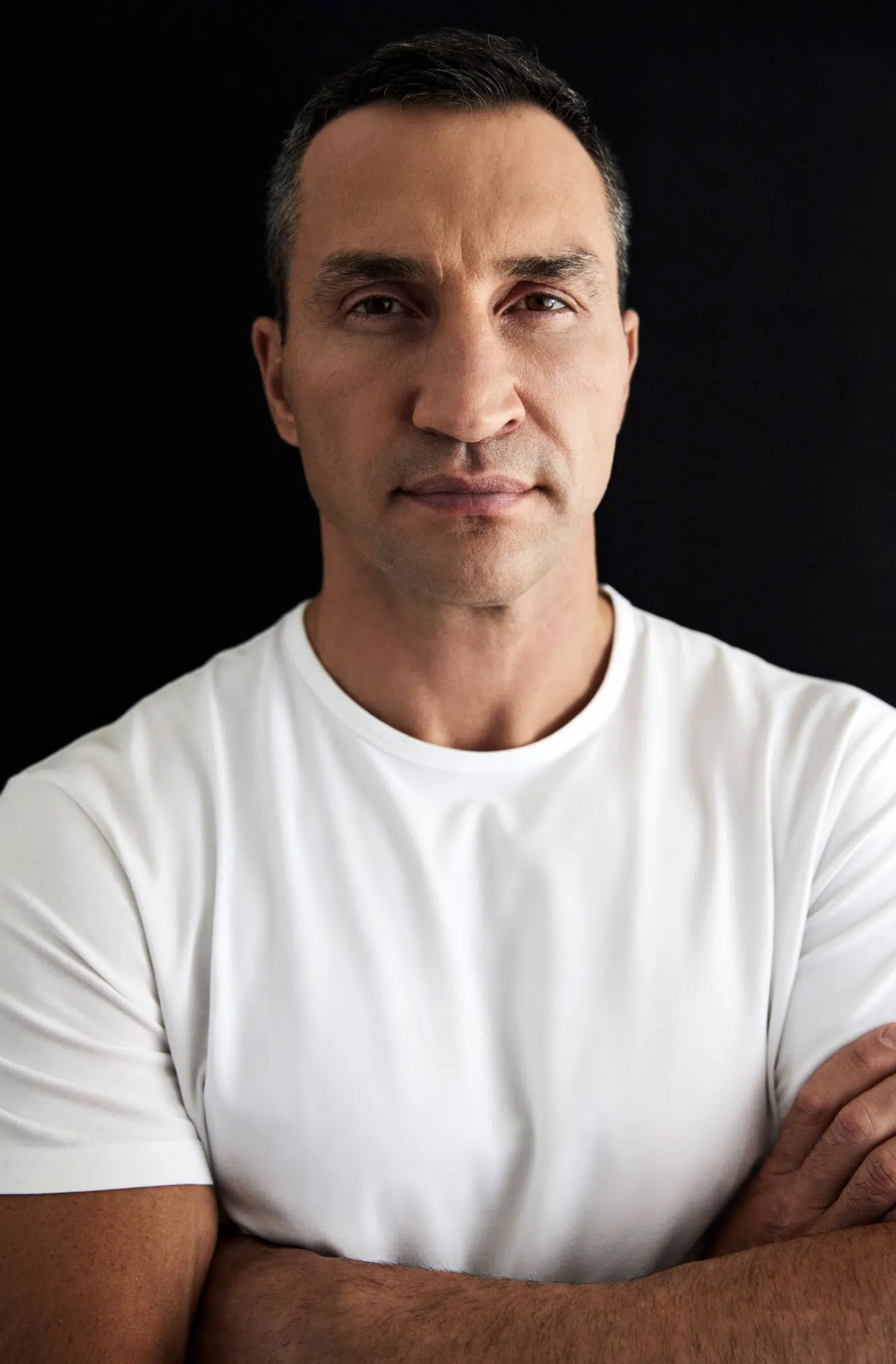
The image used for the manhunt is, because of biometric requirements, naturally the most boring one from the series. But I’m still very happy with the shoot as a whole. And so are the media companies. ZDF bought quite a few images for different documentaries. Netflix, Sky, Arte, and many others as well.
Fotos: Leopold Fiala
Maybe Marsalek will knock on your door one day because he needs new photos?
Oof. I’d flinch for a second, I think …
Leo, we’ve worked together on quite a few projects now. How did you actually get into photography?
It started with my final school project for my A-levels in an advanced art course. I chose the theme of movement because I thought skateboard and snowboard photography was cool – everything I’d seen in those magazines fascinated me. Especially those sequence shots where you see a mountain biker mid-jump ten times in one image. I really wanted to do that myself.
With what camera?
With a Nikon F301 that belonged to my uncle. A real analogue workhorse. Today, shooting a movement sequence is almost fully automated – focus, exposure, the camera does it all. Back then, with the F301, I had to print every single frame, scan them, and then painstakingly assemble them into one image in Photoshop. You can imagine how long it took before a sequence image was finally finished. While working on that project, I realised that photography genuinely fascinated me.
After finishing school, I took some time to put together a pure photography portfolio. I applied to several universities with it and got accepted in Darmstadt. The competition was intense: 600 applicants for 40 places. Pretty brutal.
The University of Design in Darmstadt has a strong reputation, doesn’t it?
Yes, especially for typography, graphic design and industrial design. I’d say it felt a bit like Bauhaus 2.0. There was a universal foundation programme over four semesters where everyone tried everything and explored all areas of design. Only afterwards did you specialise. That was great. I did a lot of typography, for example; others got really into illustration even though they’d never planned to. For me, though, it was always clear that I wanted to become a photographer.
What fascinates you about photography?
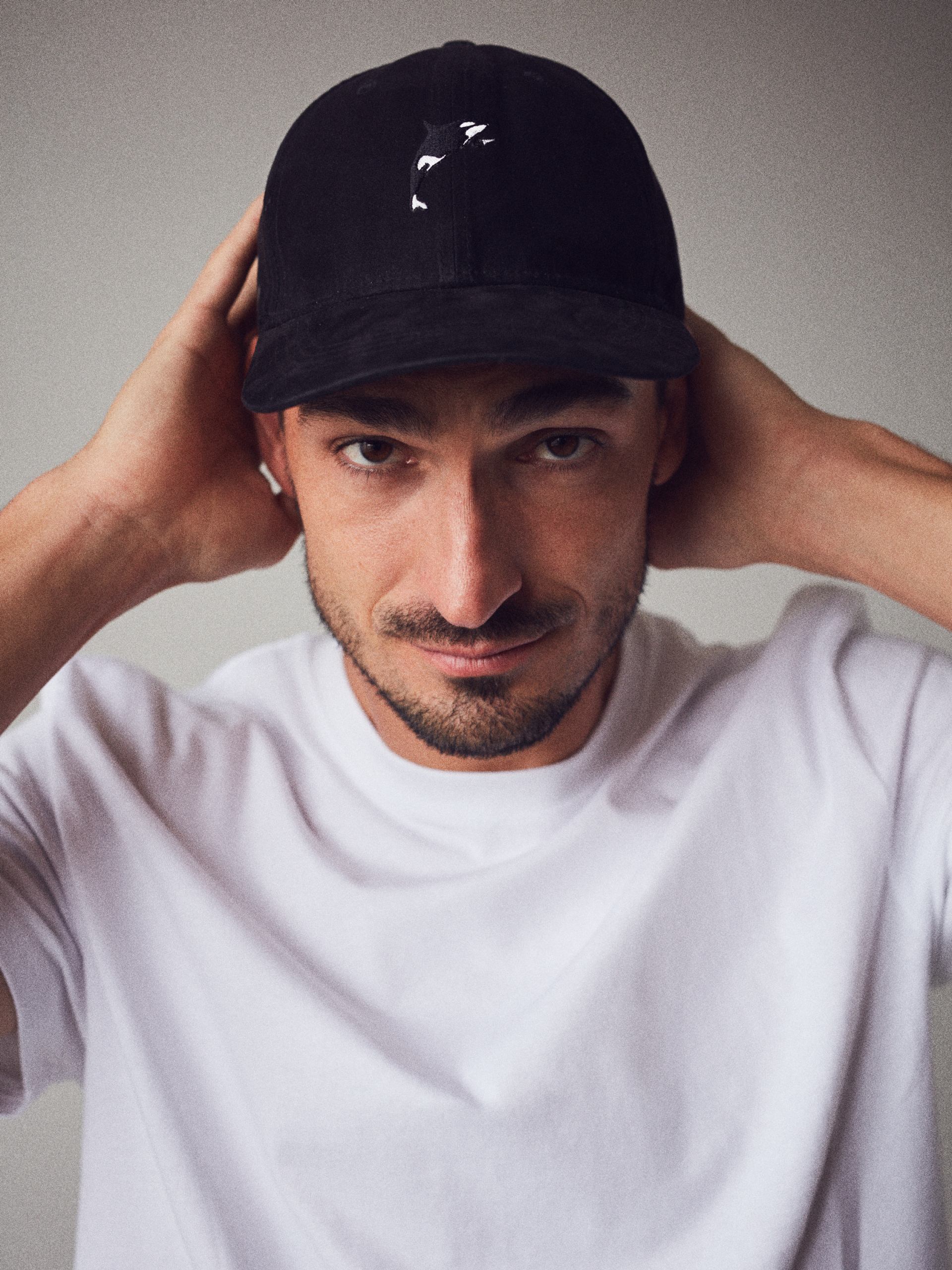
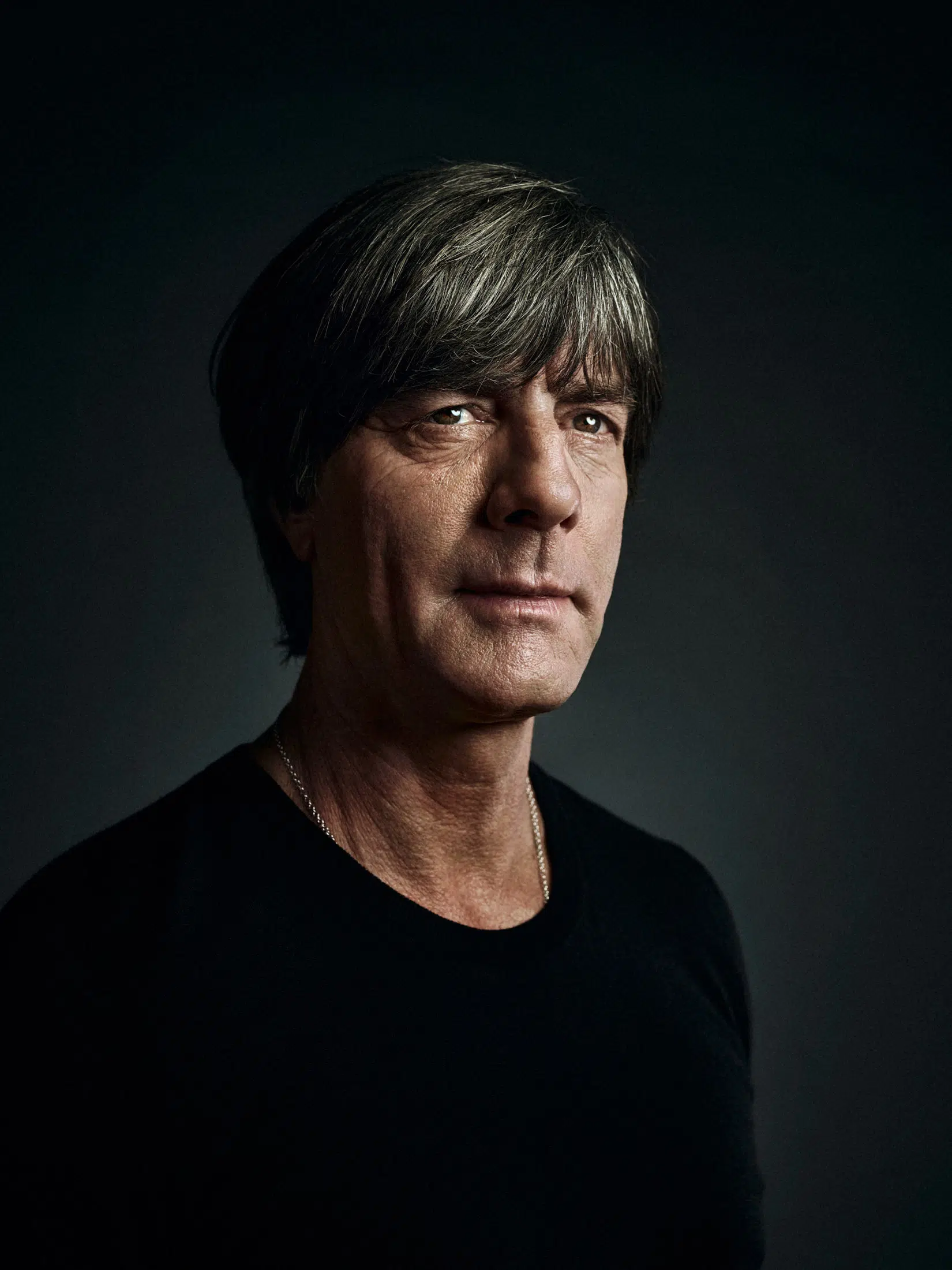
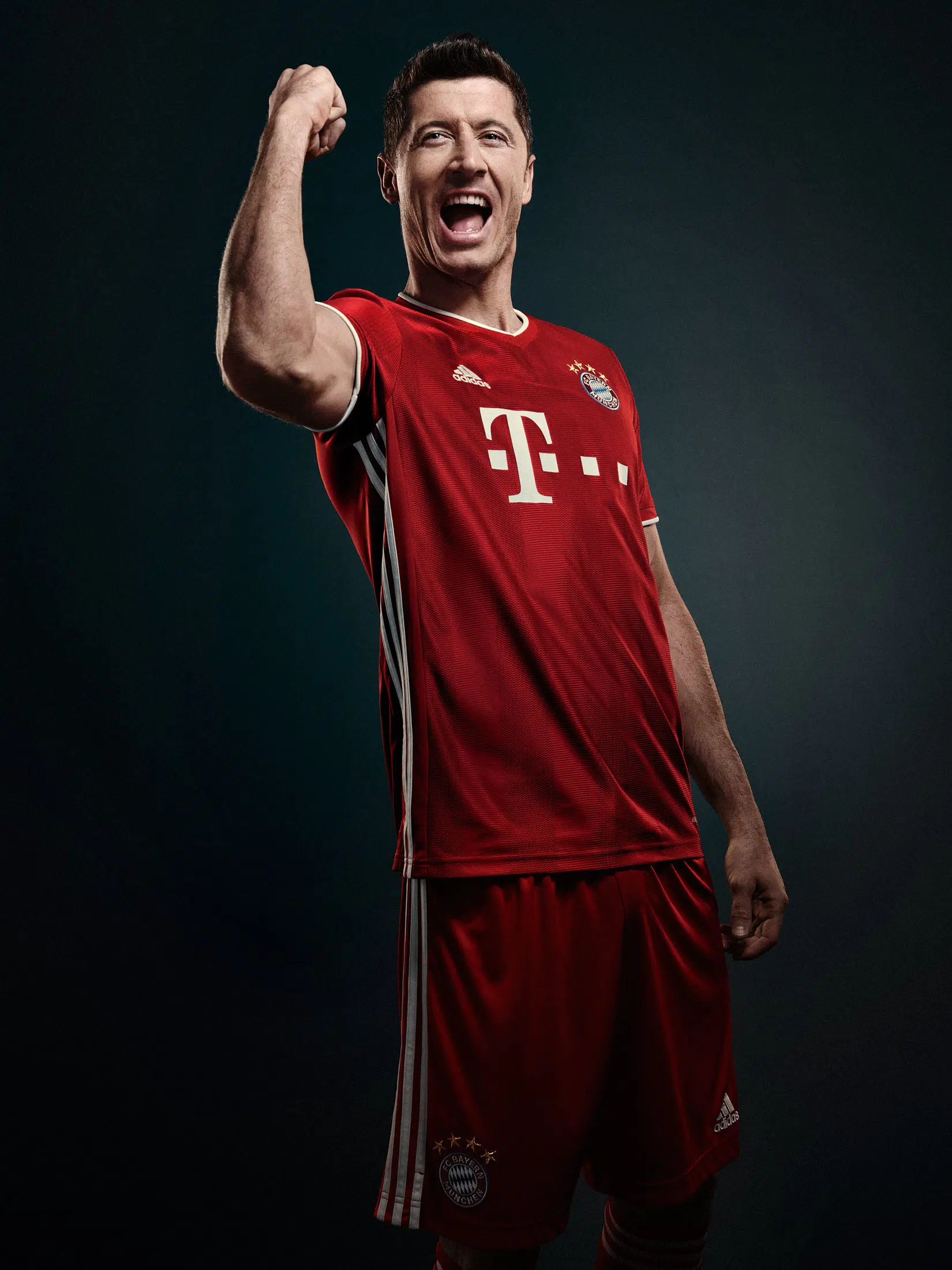
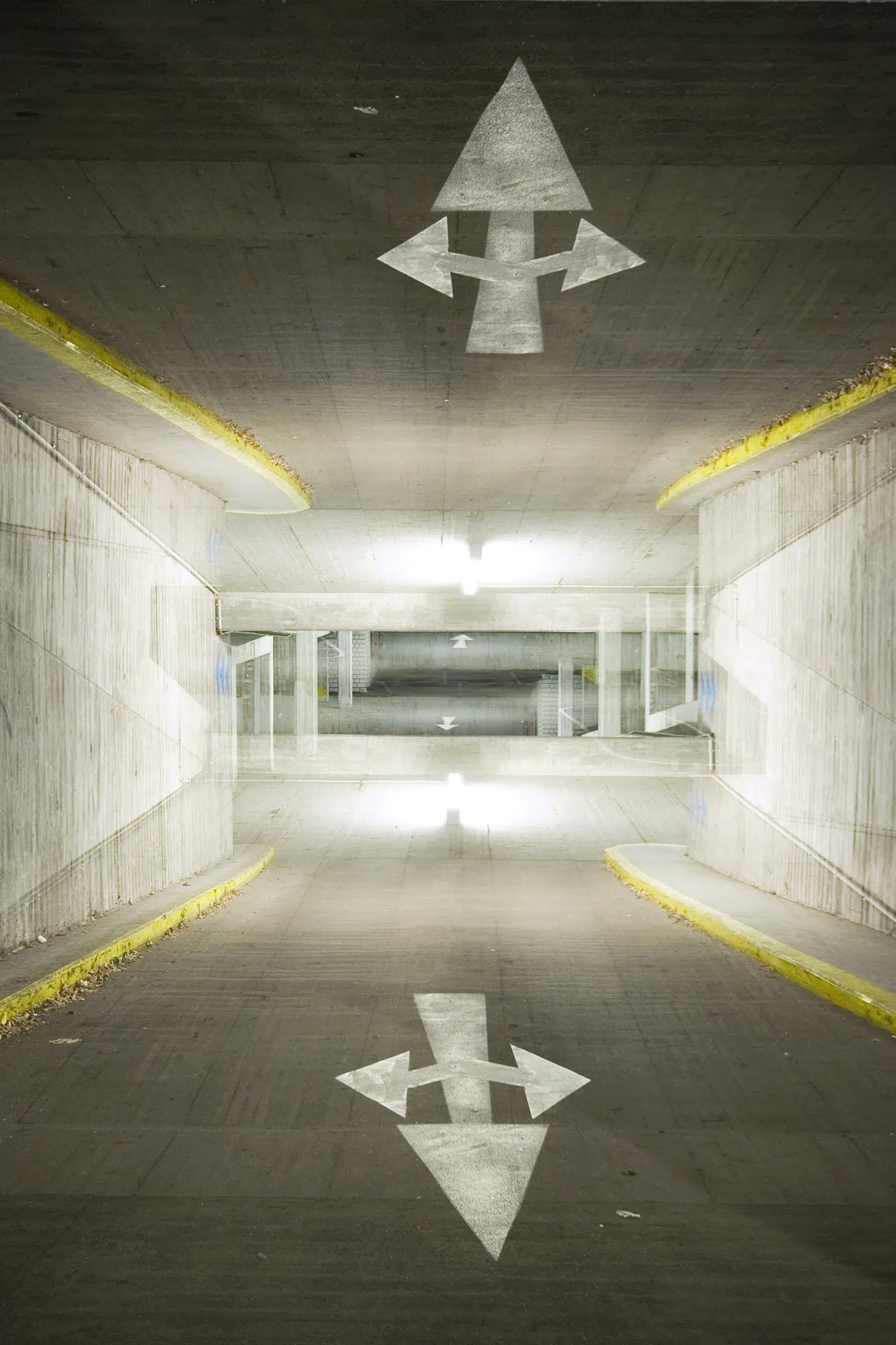
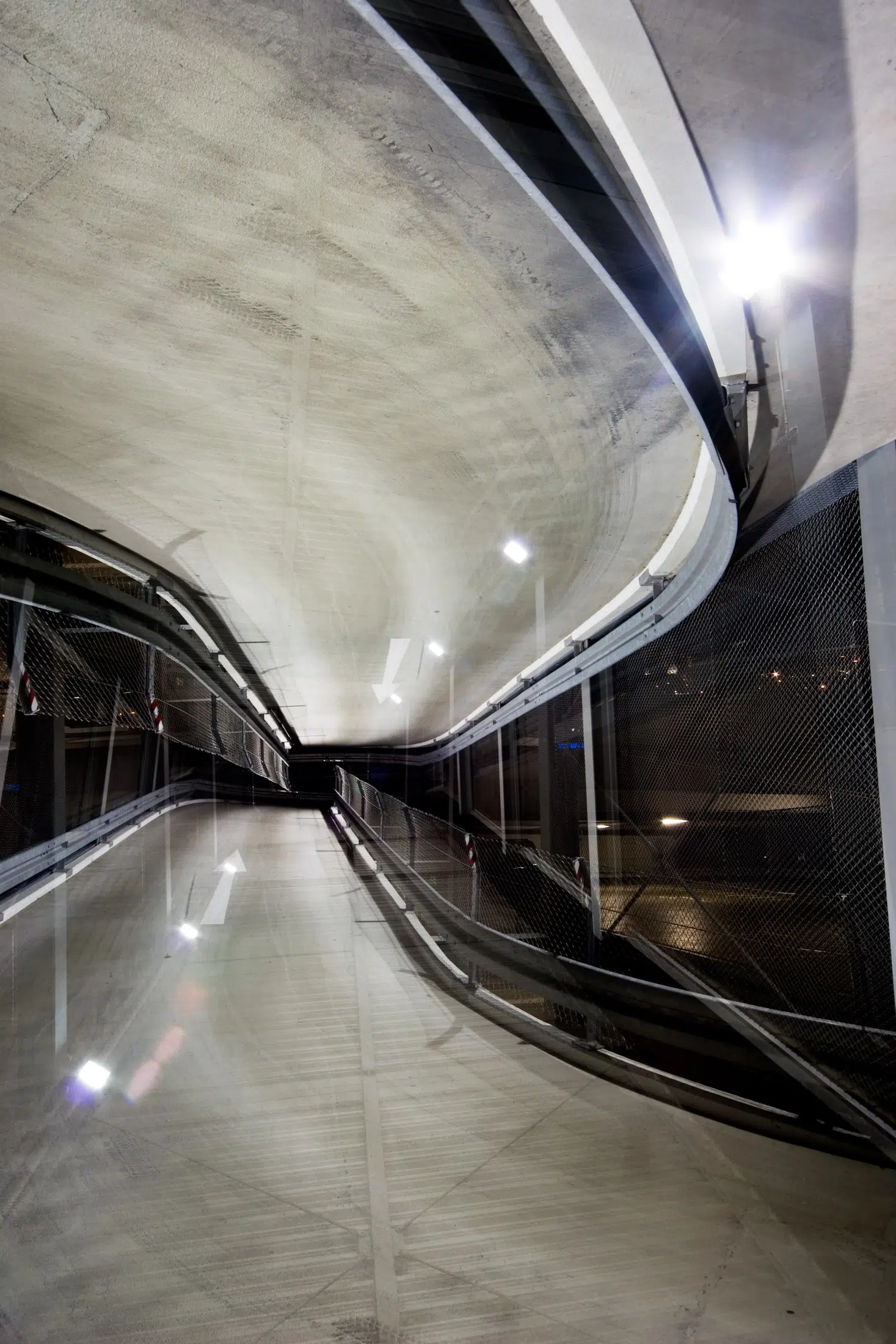
Above all, the idea of painting with light – of translating visual ideas as directly as possible and bringing them to life. I did a lot of extremely experimental work: double exposures, long exposures, lots of night photography with exposure times of up to an hour. I really pushed the medium to its limits.
Photography as a form of self-expression?
Exactly. That was my starting point.
Fotos: Leopold Fiala
And how did the transition into applied, commissioned work feel?
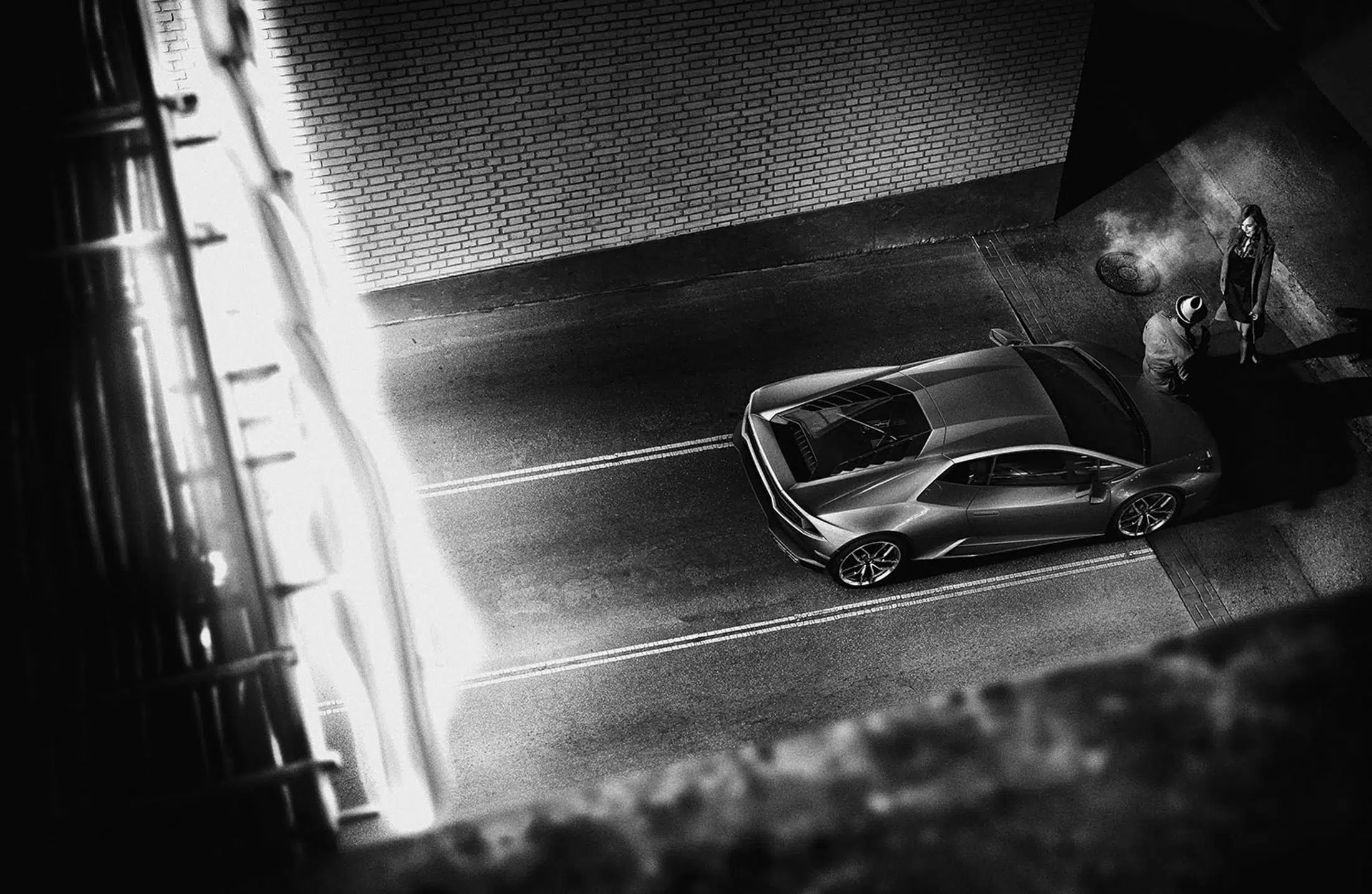
Pretty tough, actually. Our studies in Darmstadt had been very free in every sense. During the mandatory internship semester, I became first assistant to Marc Trautmann, who at the time was one of the top photographers in automotive and transportation. Everything there was highly applied: tight schedules, clear briefings.
I still remember my first job – eight weeks in Cape Town right from the start. And suddenly I, as first assistant, was responsible for managing four other assistants. That was quite a leap. I very quickly realised that this world was organised completely differently from student projects: enormous pressure, huge budgets. I travelled constantly. After less than three months, I already had Lufthansa Senator status.
For all the big car brands?
Yes – all the major brands, always the big campaigns. Mercedes, Toyota, BMW, Audi, VW – we did everything. I extended my internship and ended up staying with Trautmann for two and a half years. During that time, I was maybe in Germany for 40 days a year. The rest of the time, I was travelling the world.
You later did your diploma project on the Catholic planned city of Ave Maria in Florida. What was that about?
Ave Maria is right in the middle of the Everglades – Florida swamp land. About 40 years ago, the founders built an artificial city there from scratch, including a Catholic university – the first newly founded Catholic university in the US. Around it, Yale-style, they built lots of student housing. That became my territory.
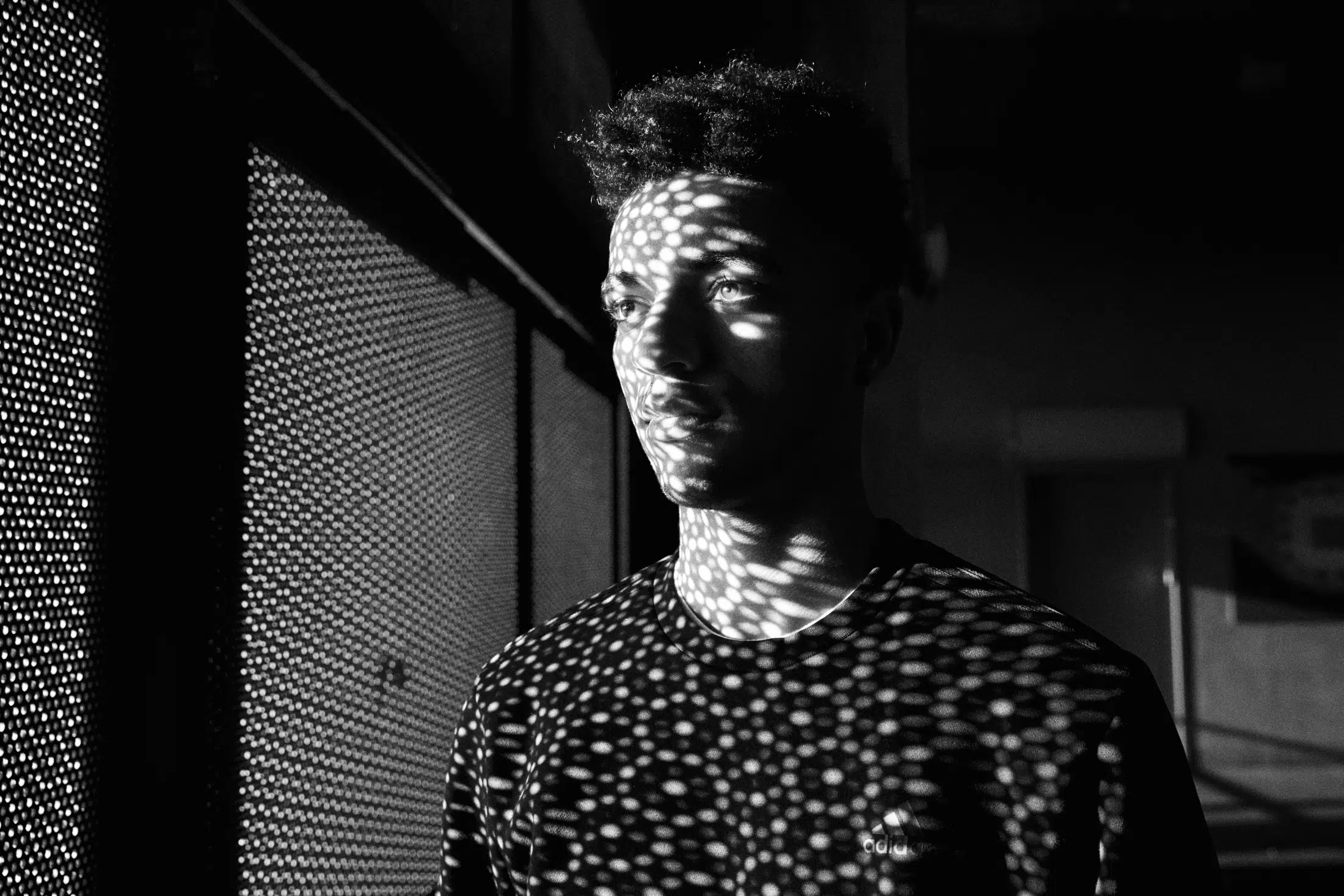
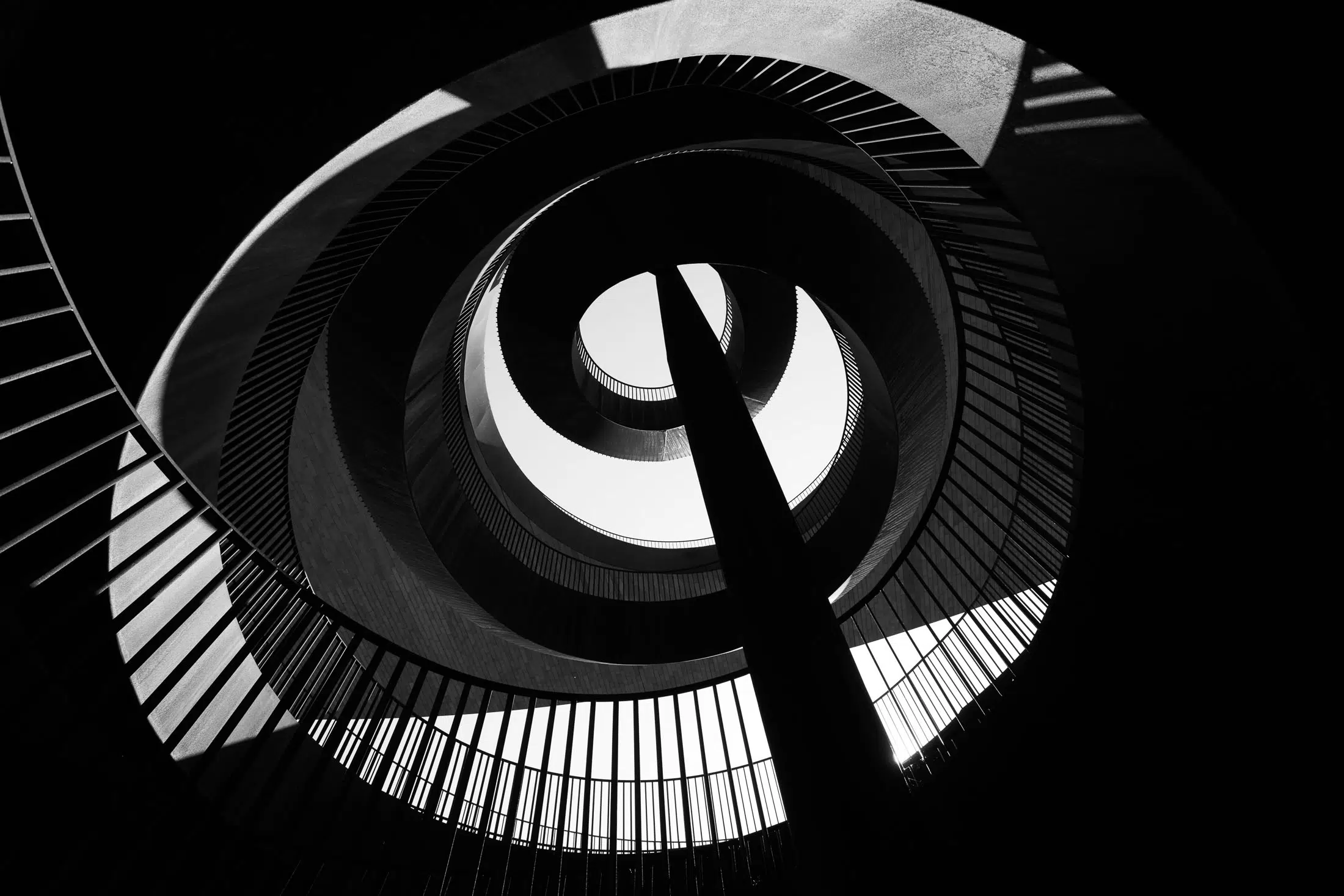
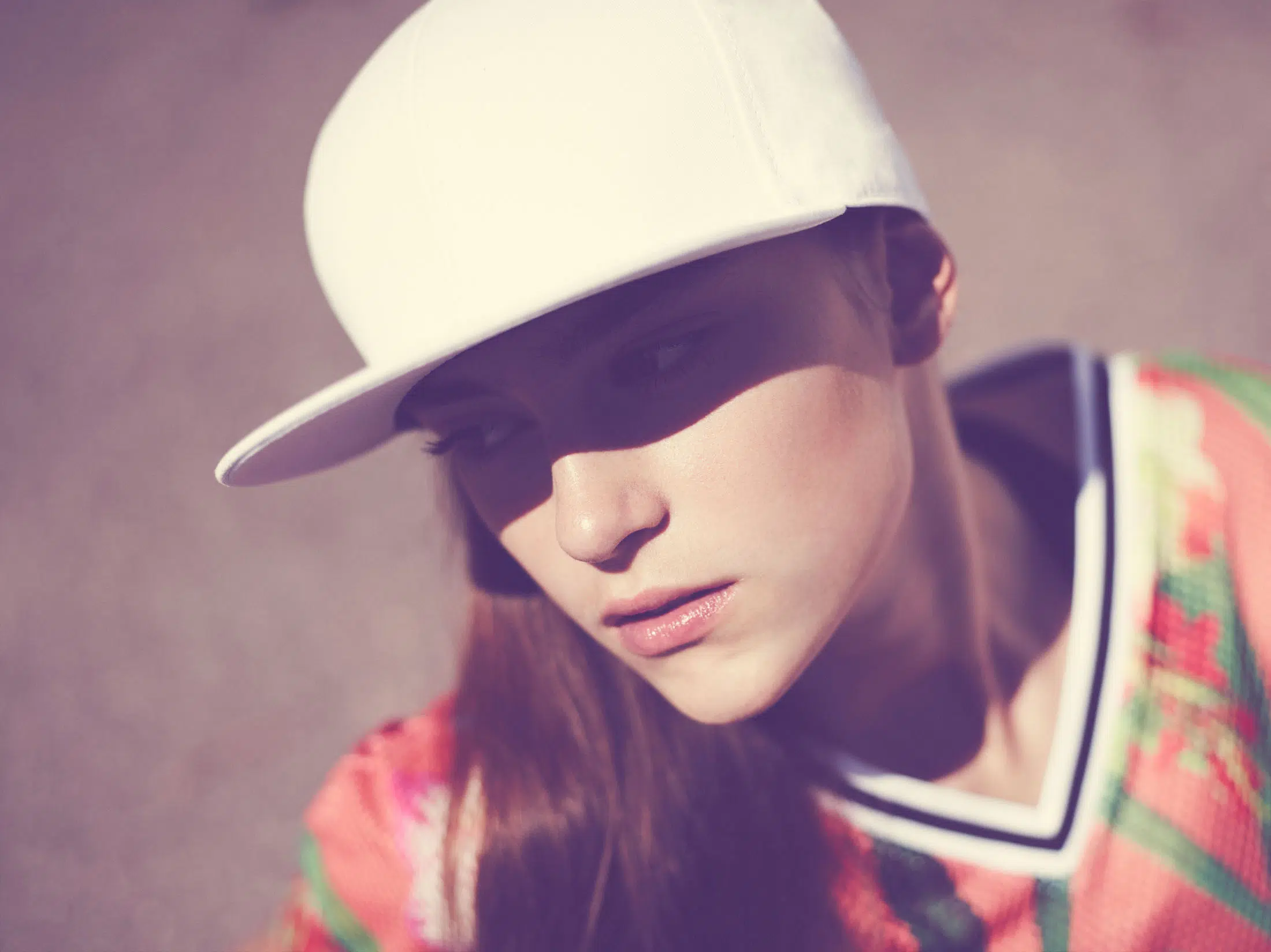
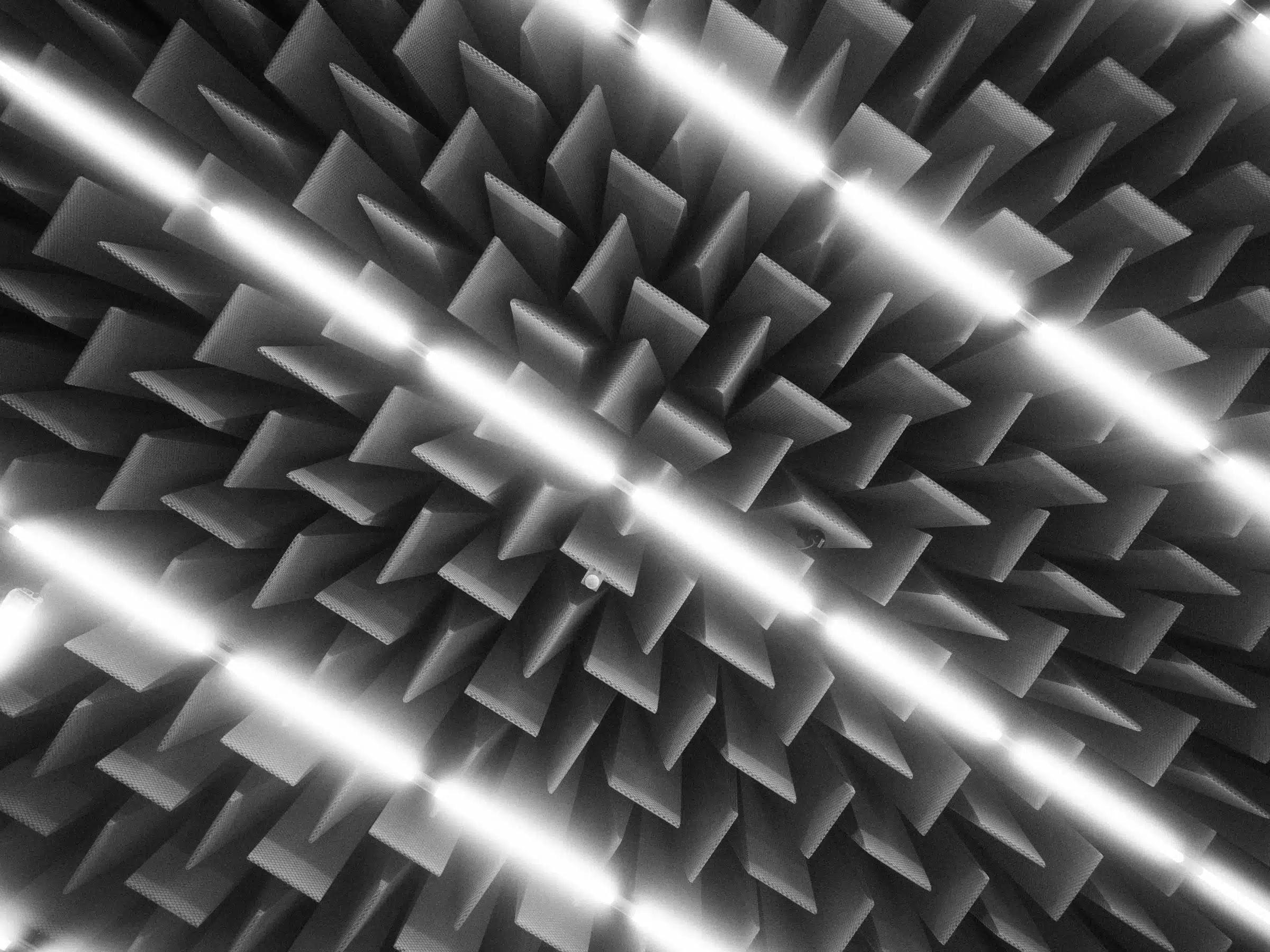
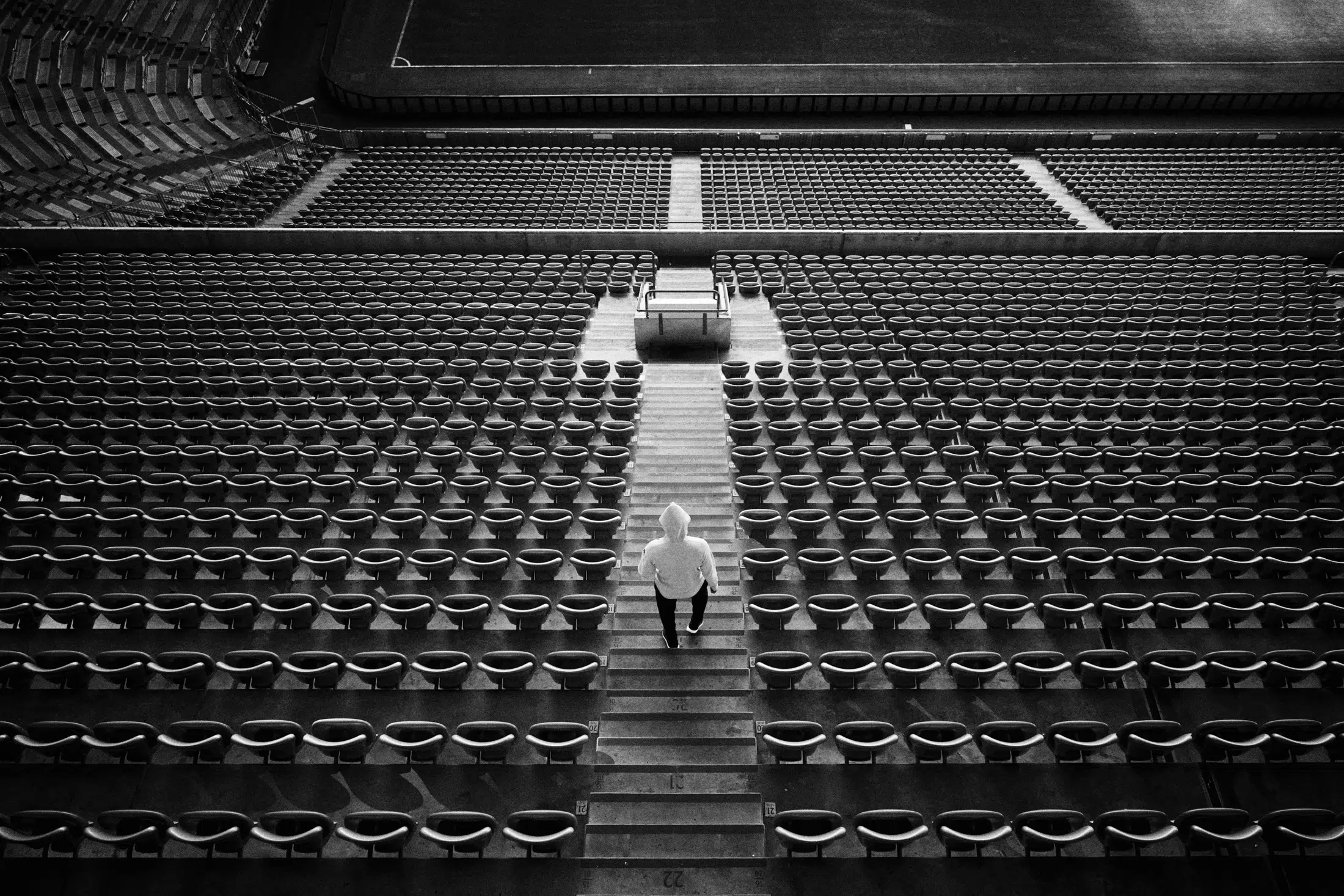

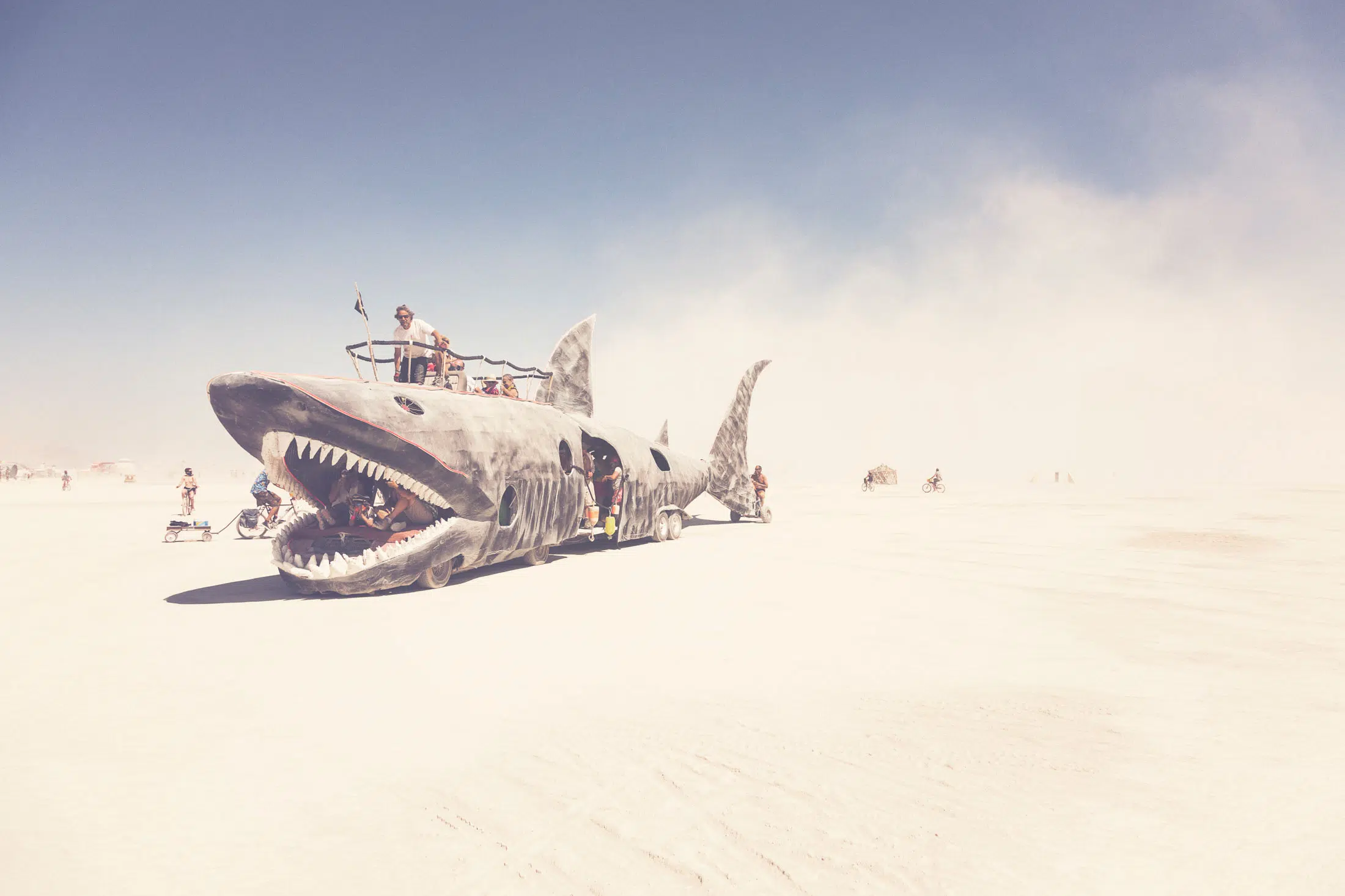
Fotos: Leopold Fiala
Sounds like a documentary project.
It was entirely documentary. I’d even call it an art-documentary project, with a strong focus on portraiture. I spent six weeks on site and lived with the students in a dormitory. It was extremely conservative – really intense. A few students had got in on scholarships and weren’t particularly religious, but most went to church four times a week, plus once more at the weekend. They regularly drove to the nearest abortion clinic to protest.
You could have become a documentary photographer, couldn’t you?
By then, the influence of Trautmann was already too strong. The documentary path was no longer an option for me – mainly because, as much as I love photography, I also like the idea of making a living from it. And that’s not easy in documentary photography.
I then spent several more years as a photo assistant for internationally renowned photographers – for example Anders Overgaard in New York. That involved a lot of fashion, but also advertising and portrait work. I realised that I really enjoyed that. Still, I had to make the leap out of that comfortable assistant life – no need to do client acquisition, a steady income, amazing hotels and locations all over the world. But at some point I said to myself: now I need to do this for myself. And since then – knock on wood – it’s worked out very well.
With all the hype around AI, what do you think it does to us when we’re mostly looking at artificial images?
I belong to the first generation that started out with digital photography. Before that, I explored everything analogue had to offer – that grounded me. Now we’re seeing another paradigm shift with AI in photography. But even before that, the introduction of CGI into fields like automotive photography caused huge anxiety and uncertainty, especially around jobs.
We instinctively associate photographs with authenticity and realism. But if we know that images may now be entirely computer-generated, that becomes problematic. AI images are designed to look convincing and real – but our visual habits change. We adapt. And our ability to recognise when something looks overly polished and uniform grows.
That raises the bar for photography to be distinctive, characterful and independent. I think where classical photography still has real opportunities is in capturing unexpected moments and showing things we haven’t seen before. That’s exactly the kind of images I like to make: imperfect in-between moments during a shoot, for example. They have the potential to convey emotion – and to sell. If an image is too slick, that becomes difficult.
I usually try to create side shoots during productions – set up a small additional set somewhere, with different light, putting people into a slightly different situation.
Are there photographers who’ve influenced you?
I love Bill Brandt, for example. But also younger, contemporary photographers like Nikita Teryoshin, David Daub or Elizaveta Porodina. They look at the world – and what underpins it – through entirely new lenses.
When you study photography, you’re often told to look to the past, to the last century, to find role models. But there are always new, exciting photographers emerging. I’m inspired by photography that crosses the boundary into art – for instance Peter Bialobrzeski’s megacity series, or Martin Parr when it comes to reportage. Those unexpected images interest me far more than the classic advertising photography references.
Bill Brandt also created iconic, surprising images – his portraits of Francis Bacon, for example, or his nudes, which feel so different from conventional nude photography. Do they still resonate today?
Absolutely. The way Brandt staged his images and looked at the world was so exciting and radical that I could imagine photography needing to return to that place. What’s often missing today is a strong idea behind the image.
Celebrity portraits are frequently just marketing tools – the main goal is to show a big, recognisable face. For photographers, that’s not an easy situation, because strong creative concepts have become much rarer. That may also be because clients are involving agencies less and less.
Do you still do personal projects alongside your commissioned work?
Yes. For example, I’d really like to return to the Catholic planned city in Florida we talked about earlier. It would be fascinating to create a book about it now, 15 years later. Back then, it was a very small town, designed for 35,000 people, but only about 4,000 actually lived there. During the US property crisis, nothing happened at all.
Now, apparently, it’s one of the fastest-growing cities in the US – which is hard to imagine, given its ideological and religious framework and such a closed society. Incidentally, within this already isolated city there were even gated communities, separated by fences, each with their own security. Extremely intense.
Thank you for your time, Leo.
Weiterlesen
Designer sind vor allem Problemlöser
Ein Interview mit Roland Heiler, dem (mittlerweile ehemaligen) Geschäftsführer des Studio F.A. Porsche und Porsche Design.
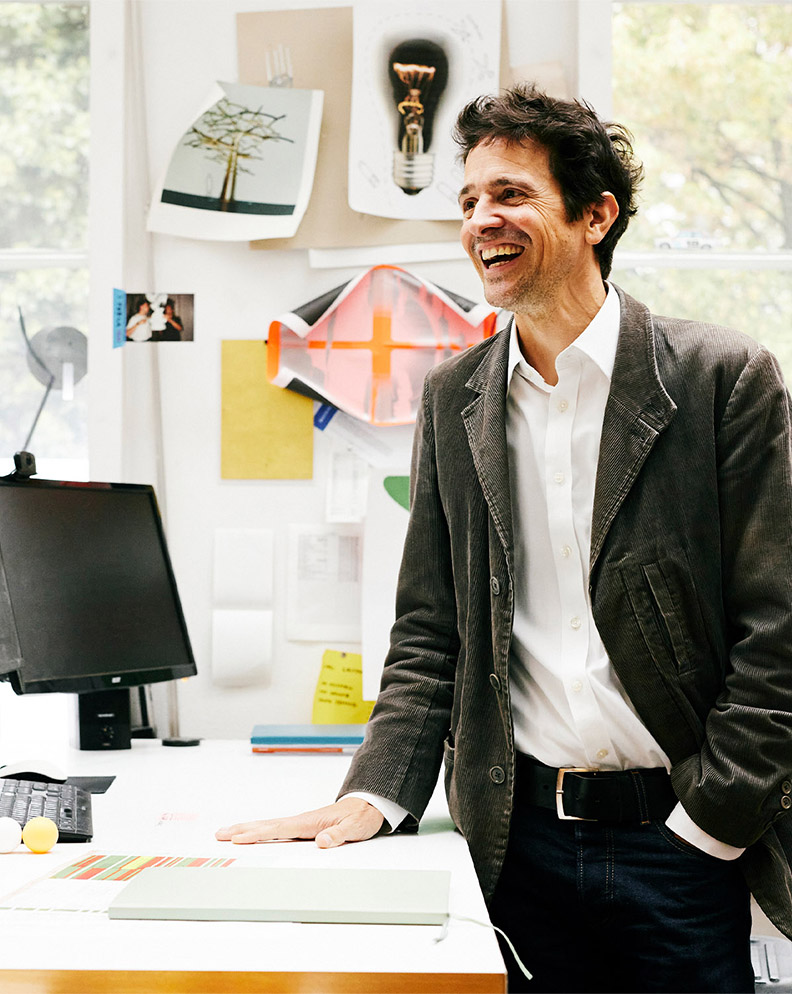
Many hands make light work
Paul Wagner spricht mit Axel Schmid, Head of Product & Project Design bei der legendären Licht-Marke Ingo Maurer.
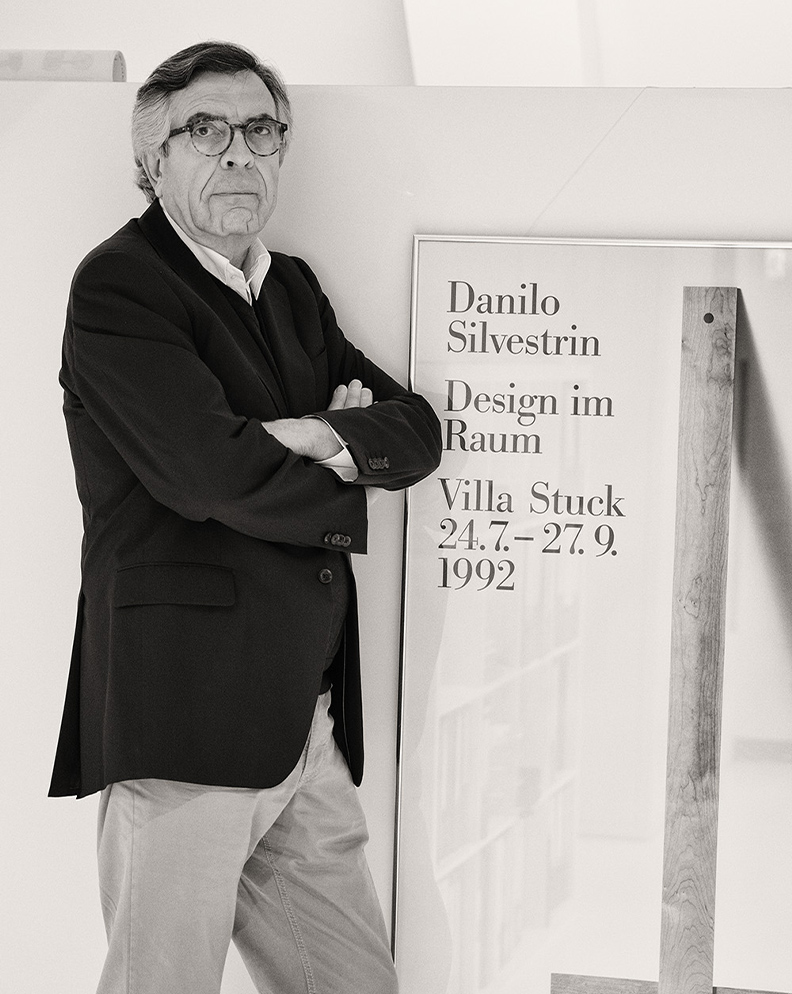
Das Gesetz der zwei Prozent
Ein Gespräch mit Danilo Silvestrin, der als Designer, Architekt und Kunstexperte immer zur richtigen Zeit am richtigen Ort war um Kulturgeschichte mitzuerleben.
We're happy to hear from you
Follow us on


Datenschutz
About
AGB
Impressum
Work
Magazin
Contact
© 2030 Design 2026
